Oil Leak Repair: Signs, Causes and What to Do
How to recognize an engine oil leak, how it differs from a brake fluid leak and why prompt attention matters.
Trusted by Happy Customers
Signs of an engine oil leak
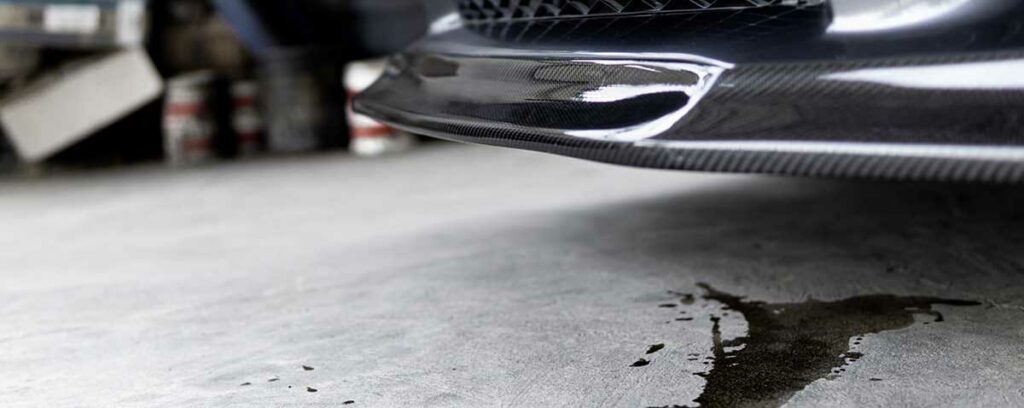
- Dark or brown puddles under the vehicle
- A burning smell when oil drips onto hot engine or exhaust parts
- Low oil level on the dipstick between oil changes
- Smoke or fumes from under the hood
- The oil pressure warning light
Common sources
Leaks often come from worn valve cover gaskets, oil pan gaskets, oil filter or drain plug seals, or front and rear crankshaft seals. Finding the source takes inspection, because oil can travel along the engine before it drips.
Brake fluid leaks are different
Brake fluid leaks are a safety issue. Signs include a spongy or sinking brake pedal, a brake warning light and fluid near the wheels or under the master cylinder. If the red BRAKE light comes on or the pedal feels spongy, stop driving and call for a tow.
Why it matters
Oil is what lubricates and cools engine parts. Running low can cause serious engine damage. If the oil pressure light comes on, stop driving as soon as it is safe and shut the engine off. Oil on the driveway is also harmful to the environment.
Next step
Check your oil level regularly and keep up with oil changes. Our ASE-certified technicians can inspect your vehicle and explain your options. Book at whichever of our shops is most convenient.
Frequently asked questions
Is a small oil leak a problem?
Small leaks can grow and can lead to low oil, so have them inspected rather than just topping off.
What color is engine oil versus brake fluid?
Engine oil is usually amber to dark brown. Brake fluid is typically clear to amber and slick. Either one under your vehicle should be checked.
Book at your nearest shop
Three Orozco's shops across Long Beach and Bellflower. Pick the one closest to you.
Call the shop
nearest you