Headlamp Repair and Restoration: What to Know
The types of headlamps, why lenses yellow and when restoration or replacement makes sense.
Trusted by Happy Customers
Why headlamps matter
Good headlamps help you see and be seen, especially at night and in bad weather. A dim, yellowed or misaimed headlamp reduces your visibility and can reduce the visibility of your vehicle to others.
Types of headlamps
Vehicles use sealed-beam units, halogen bulbs, xenon (HID) bulbs or LED lamps. Always refer to your owner’s manual for the correct bulb type, since not every bulb fits every housing, and some bulbs require removing other components to reach them. Xenon (HID) systems use high voltage, so have them serviced by a technician. Aftermarket LED or HID bulbs in a housing designed for halogen can scatter light and blind other drivers.
Why lenses yellow
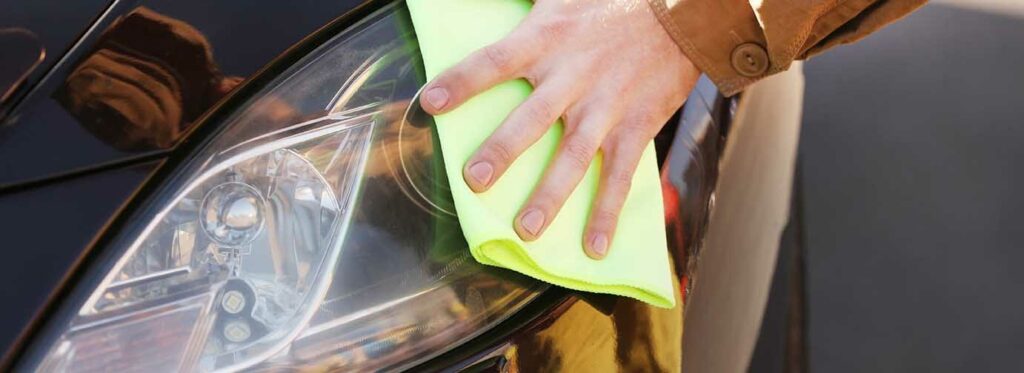
Most modern lenses are made of polycarbonate plastic with a clear protective coating. UV light from the sun breaks the coating down over time, and the plastic then oxidizes, turning yellow or cloudy and scattering light.
Restoration or replacement
Many foggy lenses can be restored by sanding, polishing and applying a protective coating. Lenses with cracks, moisture inside or heavy damage need replacement. A lamp that is out may be a bulb, a relay, a fuse or a wiring issue, and we diagnose before replacing parts.
Next step
Keep your headlamps aimed and bright and replace failed bulbs promptly. Our ASE-certified technicians can inspect your vehicle and explain your options. Book at whichever of our shops is most convenient.
Frequently asked questions
Why are my headlights cloudy?
UV exposure breaks down the lens coating, and the plastic oxidizes. Polishing and a new protective coating can often restore clarity.
Can a bad relay or fuse make headlights stop working?
Yes. Bulbs, fuses, relays, switches and wiring can all be the cause.
Book at your nearest shop
Three Orozco's shops across Long Beach and Bellflower. Pick the one closest to you.
Call the shop
nearest you